
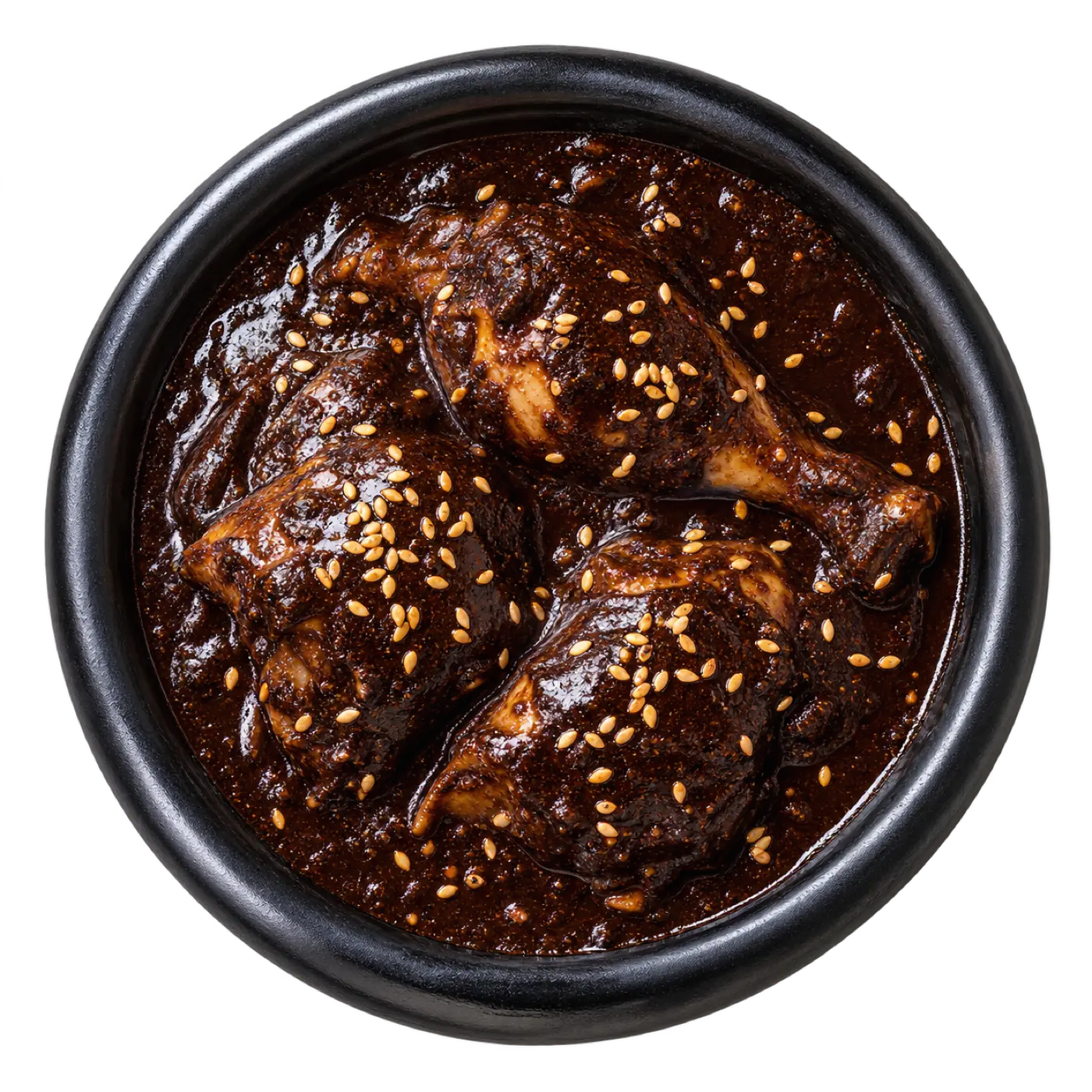
Negro
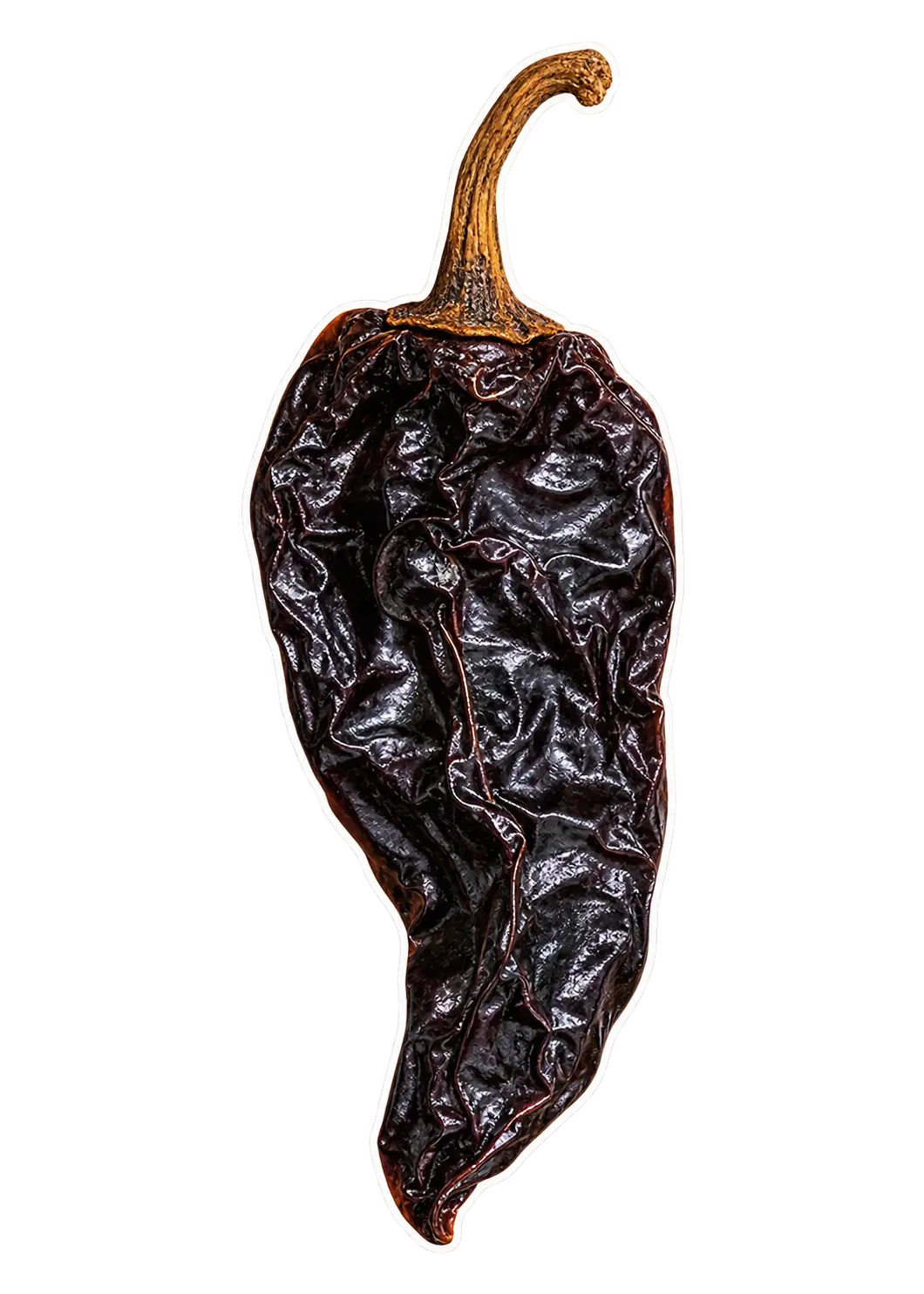
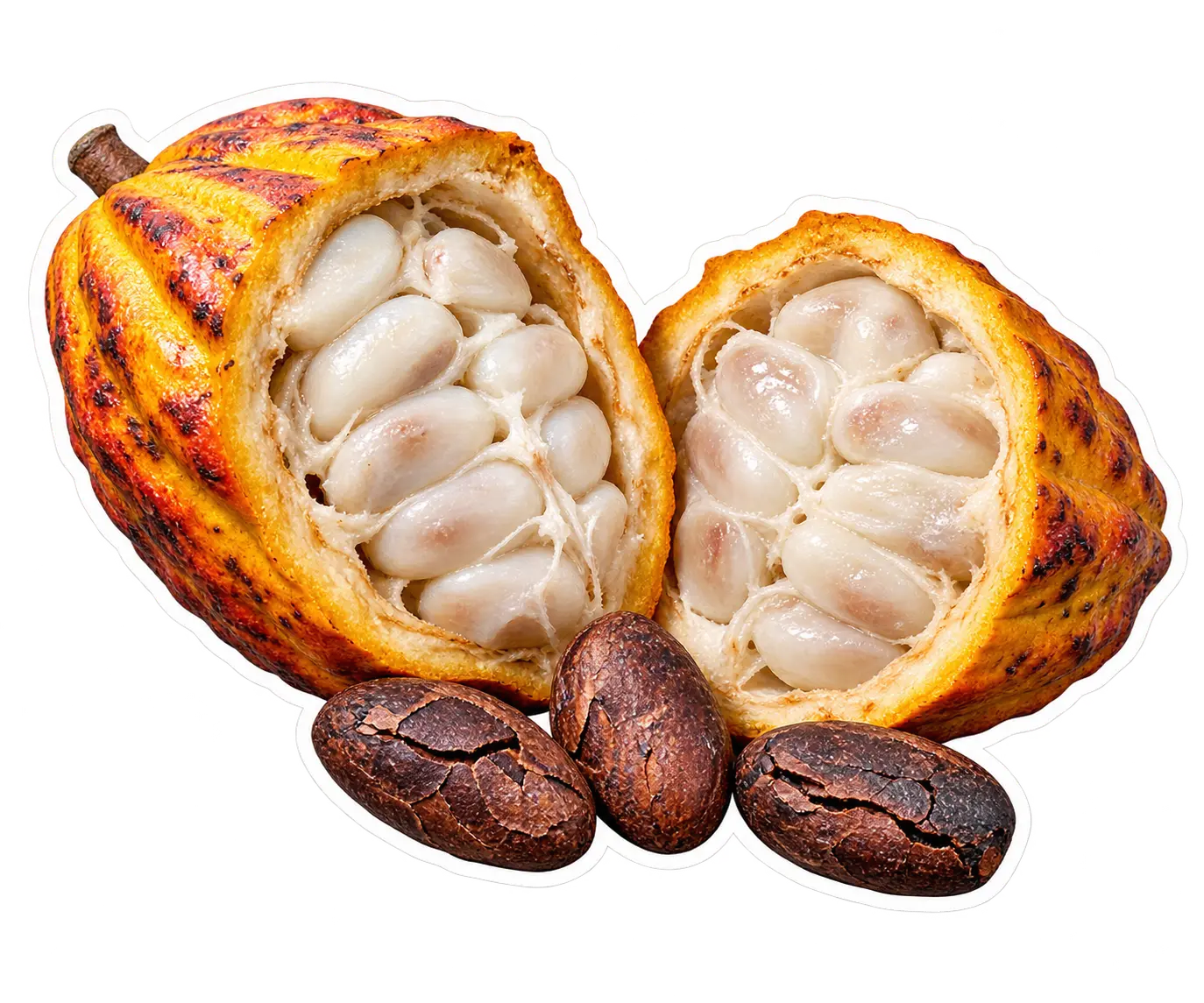
Chilhuacle negro, burnt tortilla, chocolate.
34 ingredients
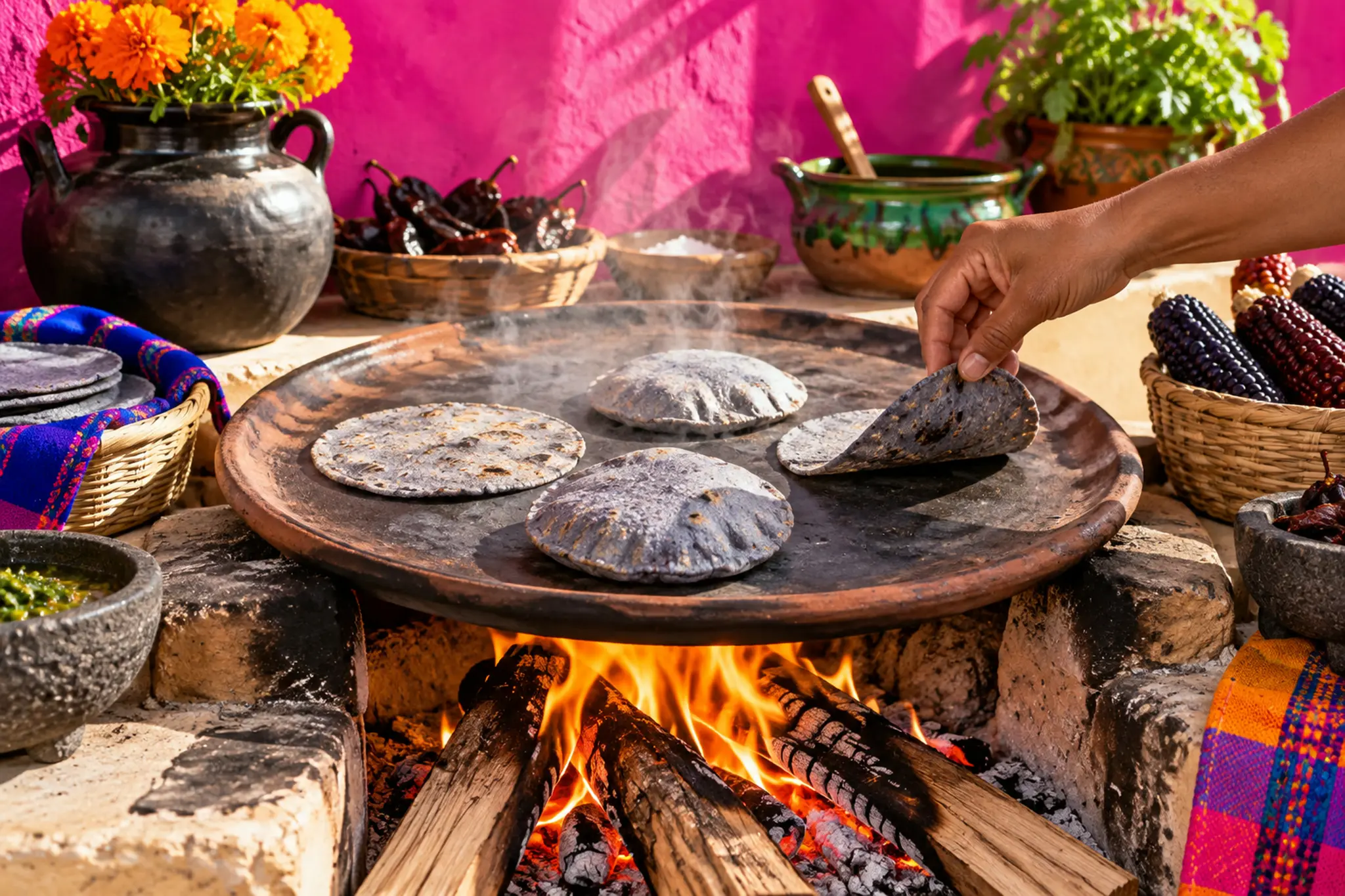
Heirloom corn on the comal every morning, seven moles ground on the metate in rotation, and twelve stools of mezcal at the back. Two blocks from the Zócalo.
01 · The corn
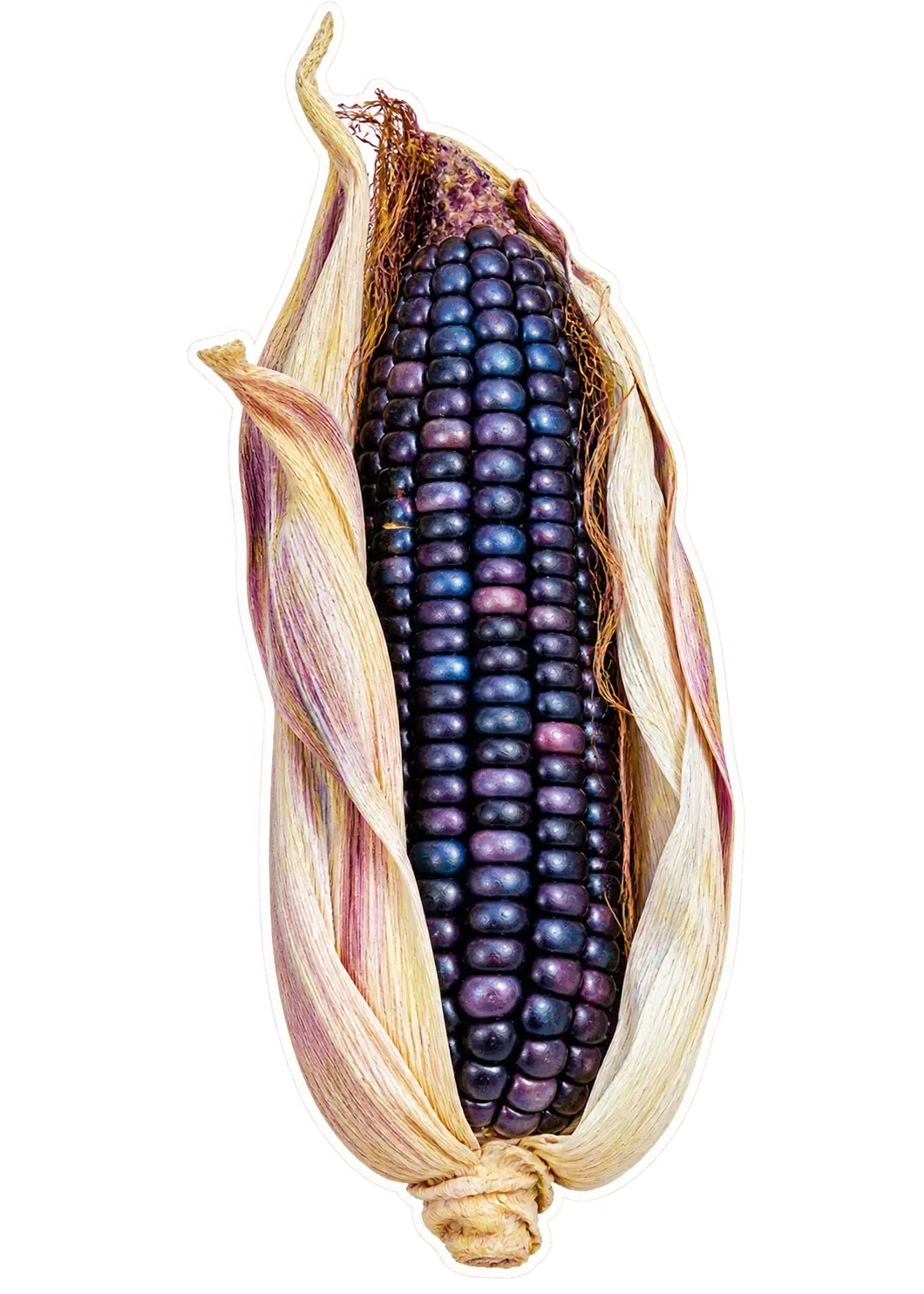
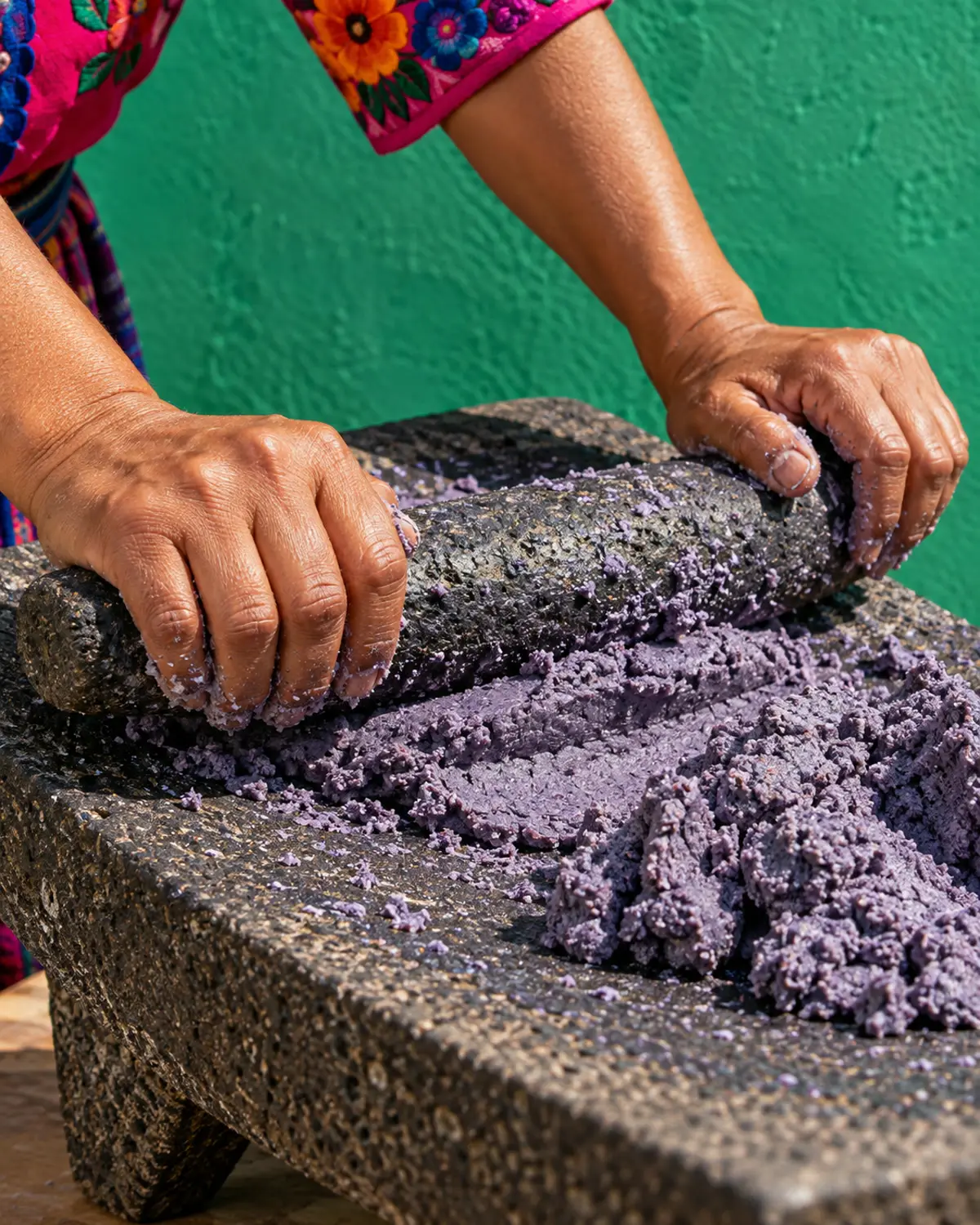
Blue, yellow and red criollo corn from two milpas in the Valles Centrales. Itzel cooks it in lime, rinses it at dawn and grinds it on stone. Nothing at Colibrí starts from a bag of flour.

02 · The moles
Chilhuacle negro, burnt tortilla, chocolate.
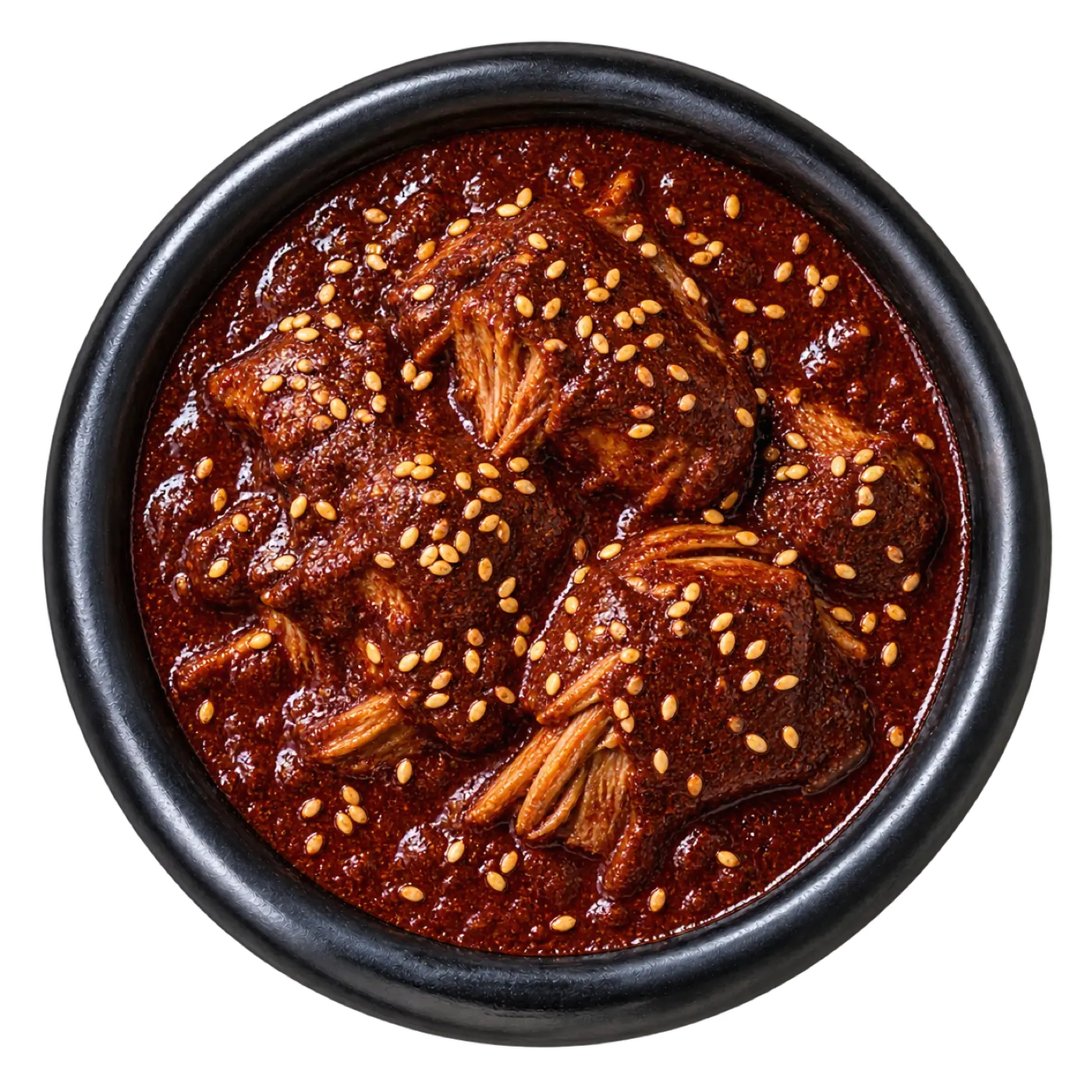
Ancho, guajillo, sesame, a little sugar.
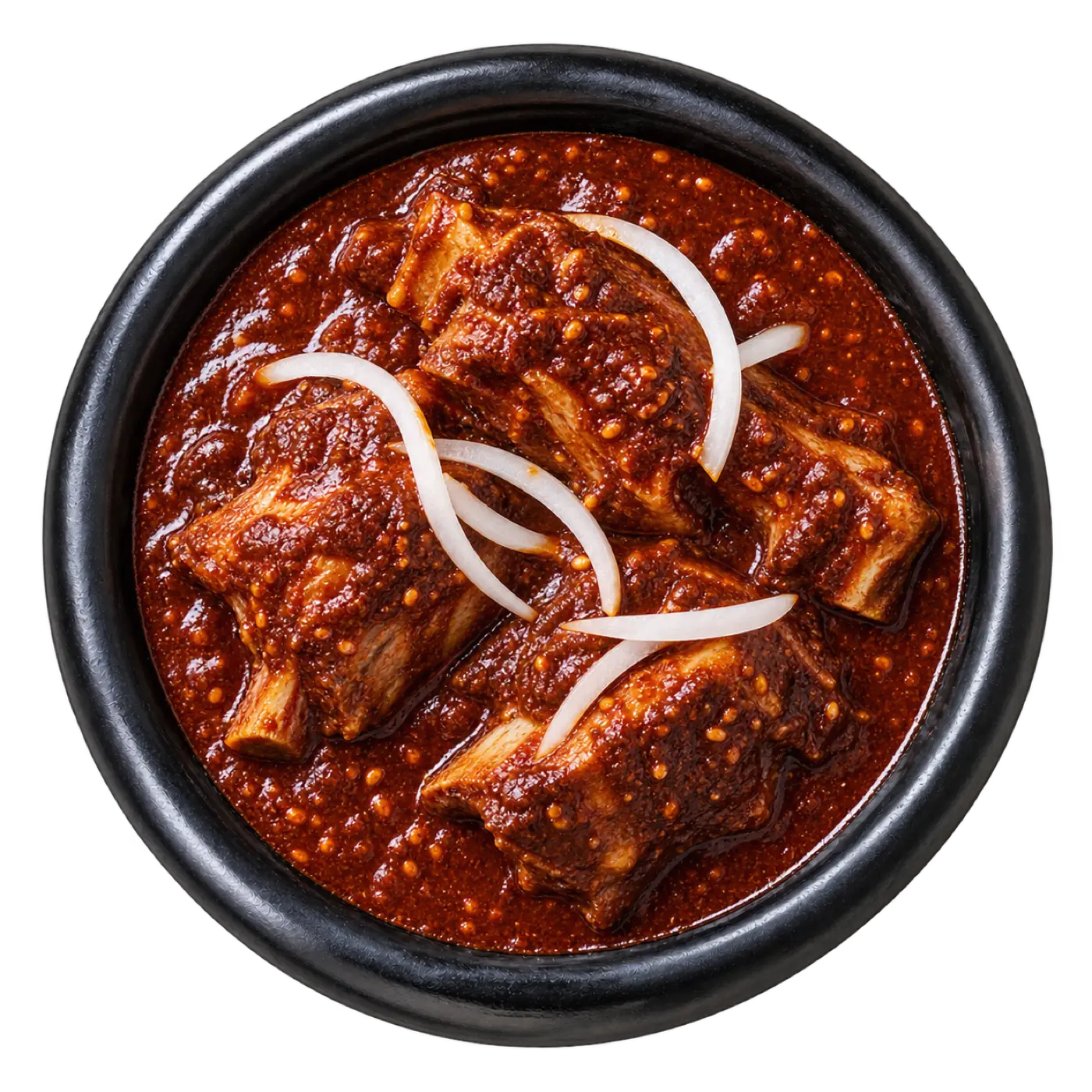
Brick red, sweet with plantain and raisins.
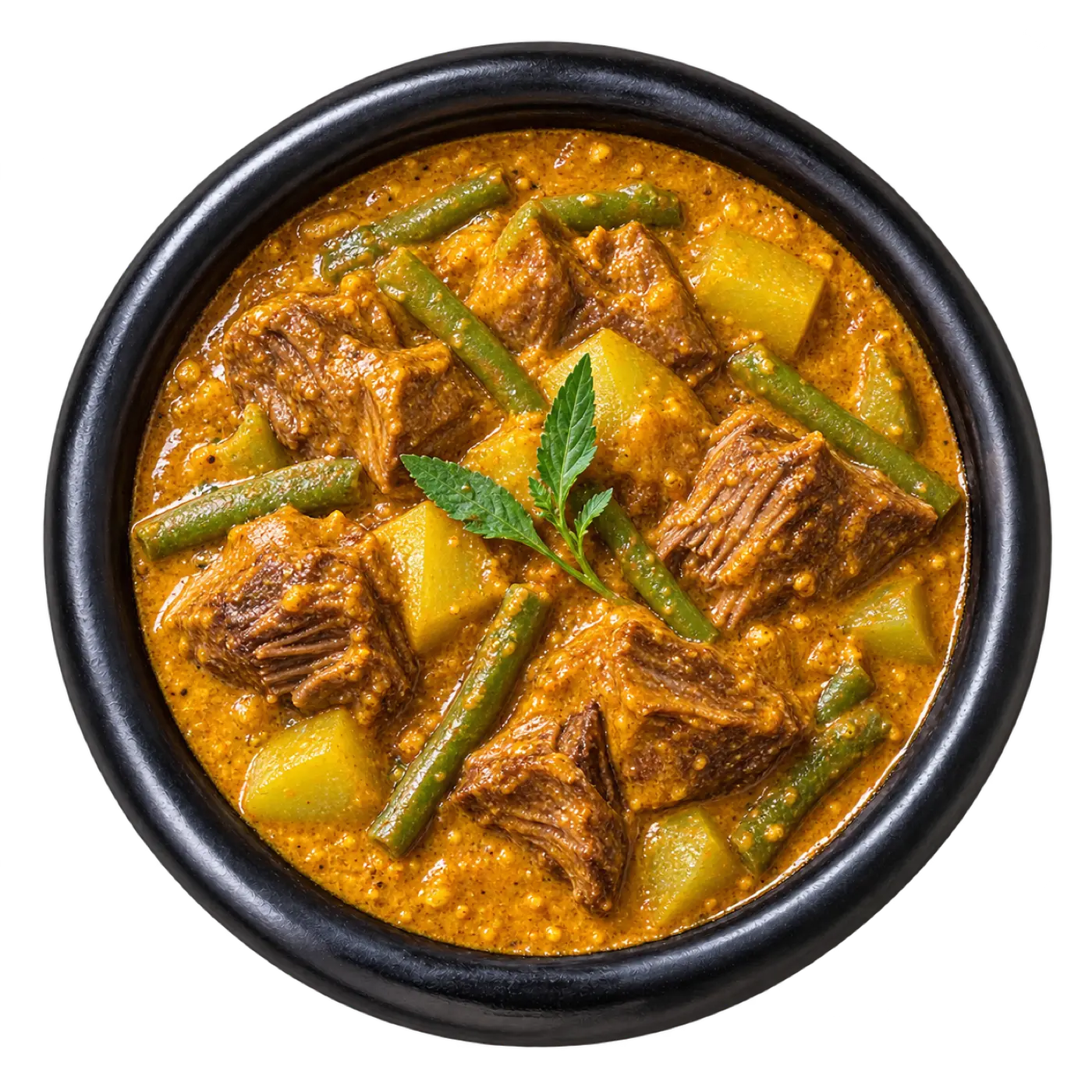
Chilcostle and pitiona, thickened with masa.
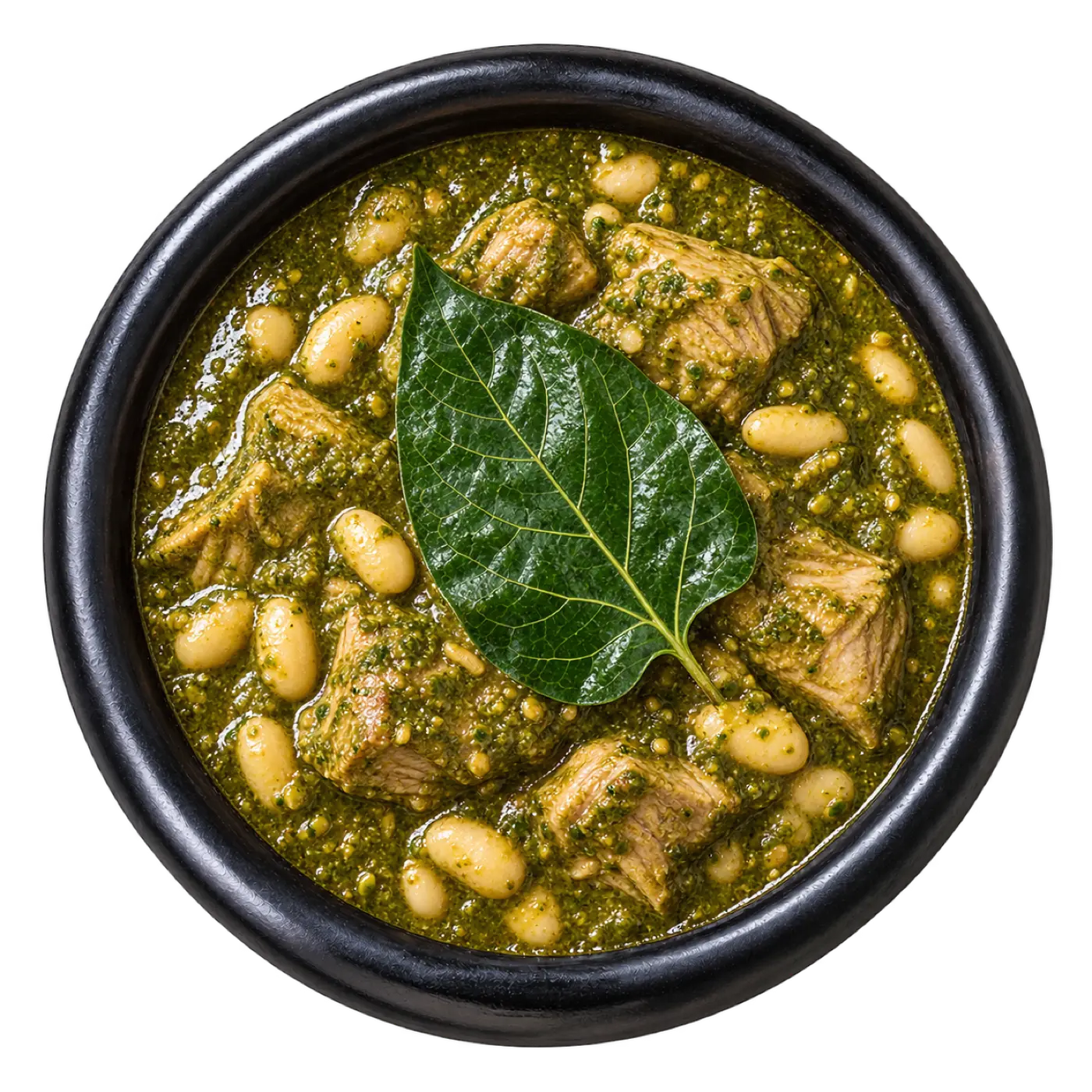
Hoja santa, epazote, parsley, green tomatillo.
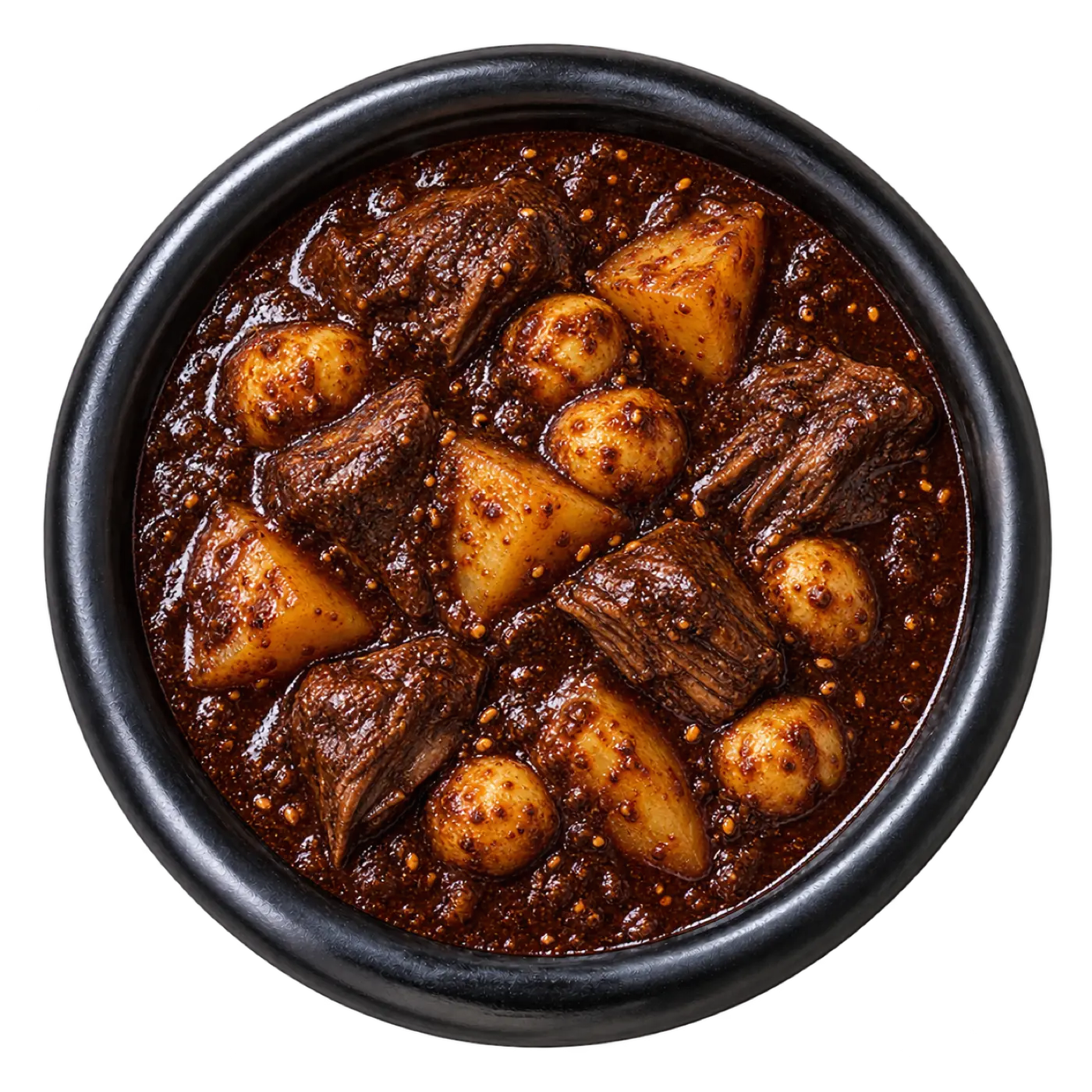
The rarest: chilhuacle and burnt avocado leaf.
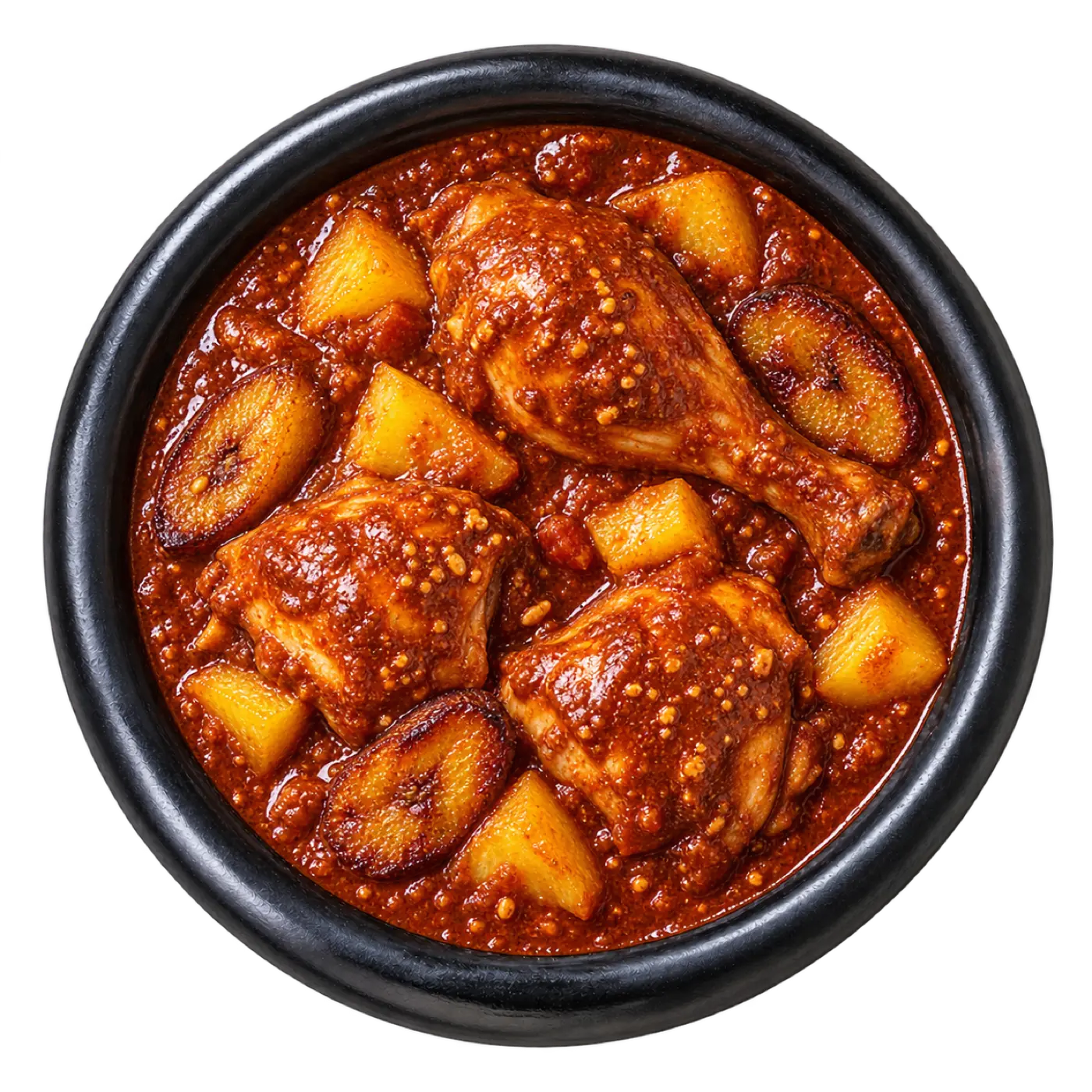
The tablecloth-stainer: fruit and ancho.
03 · From the menu
Antojitos to share, tlayudas off the comal, the moles of the day. Prices in pesos, chiles for heat.
The whole menu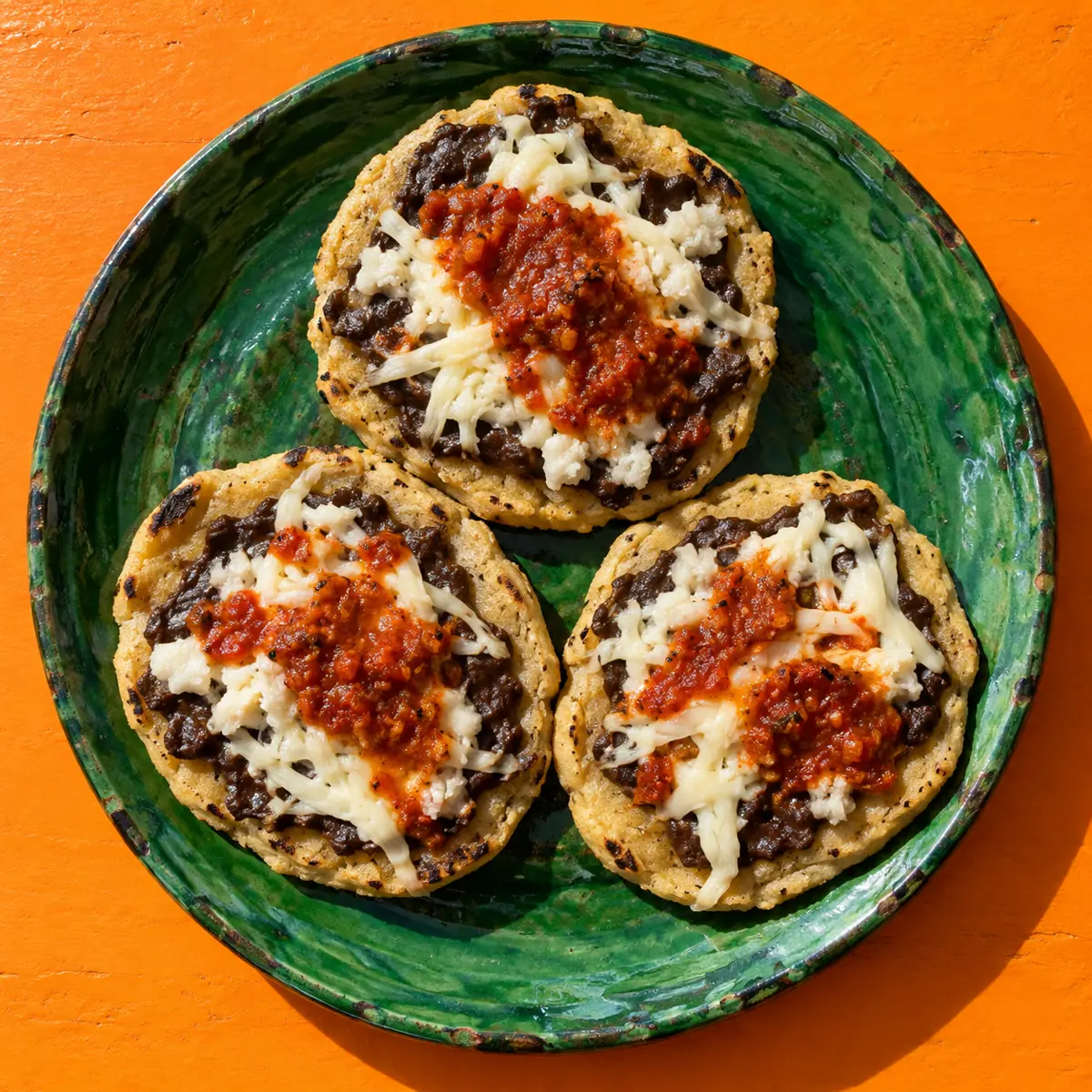
Thick blue-corn rounds, asiento, black beans, quesillo, salsa roja.
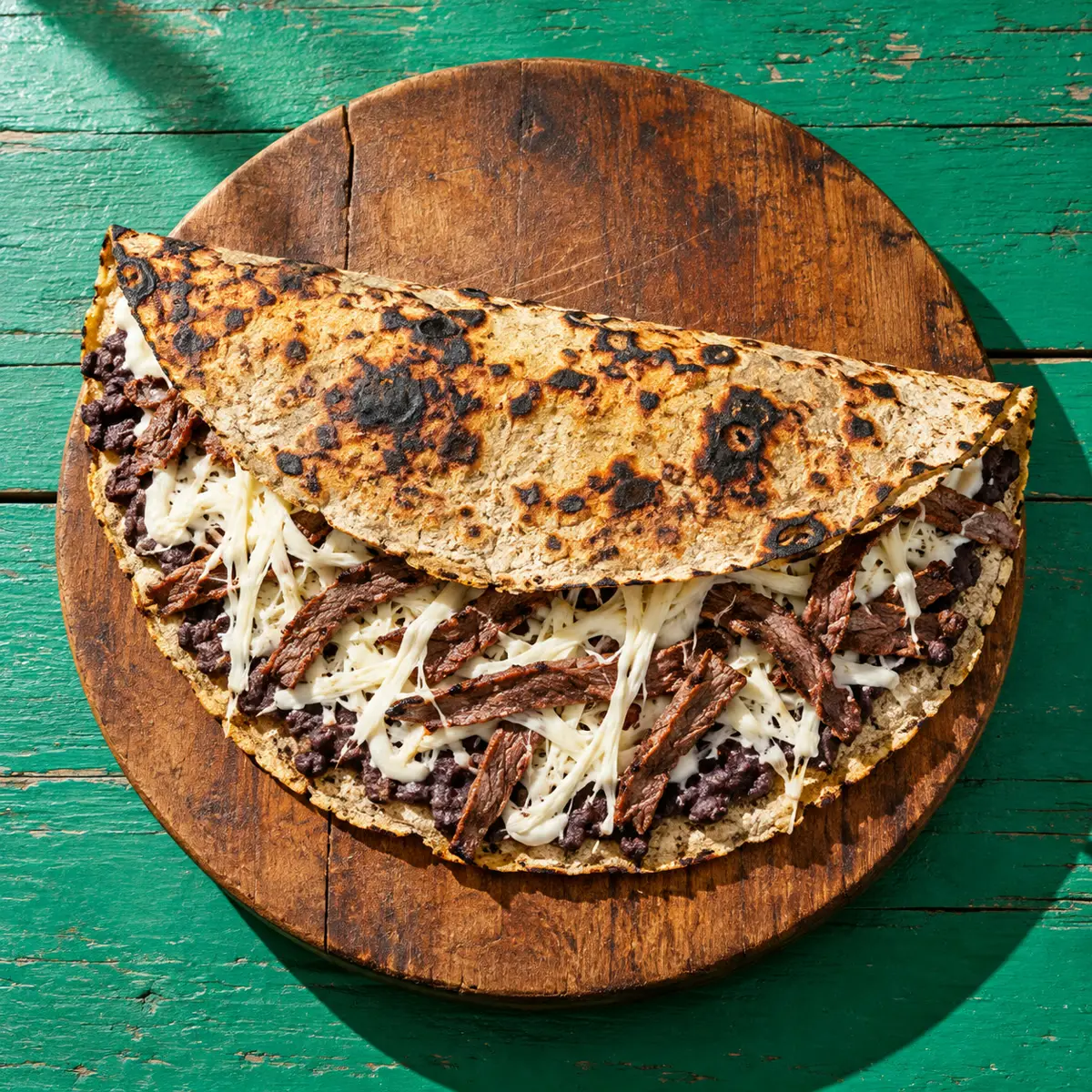
Crisp from the comal, asiento, frijol, quesillo strings and tasajo.
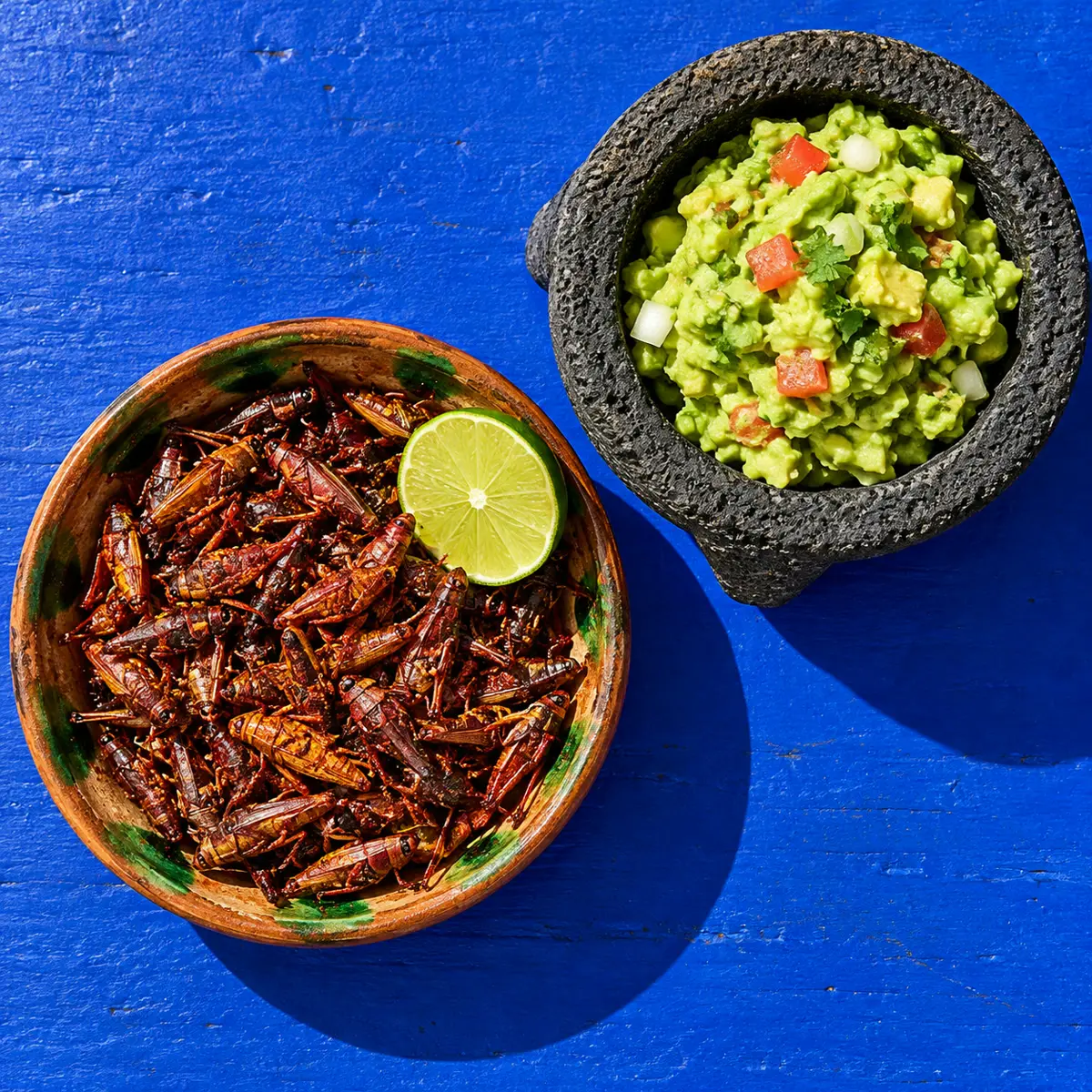
Toasted grasshoppers, lime and chile, a molcajete of guacamole.
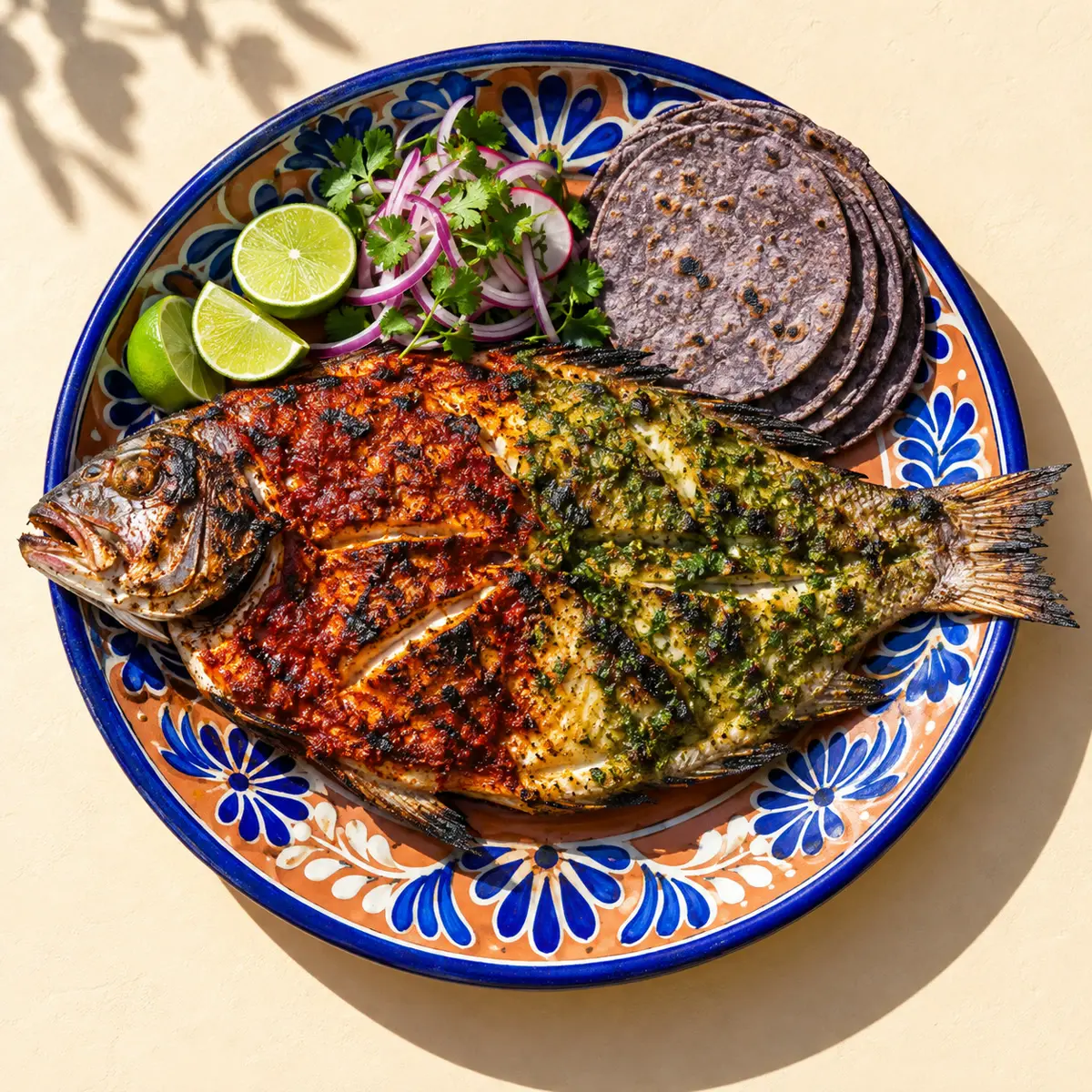
Butterflied whole fish, half red adobo, half green herbs, off the grill.
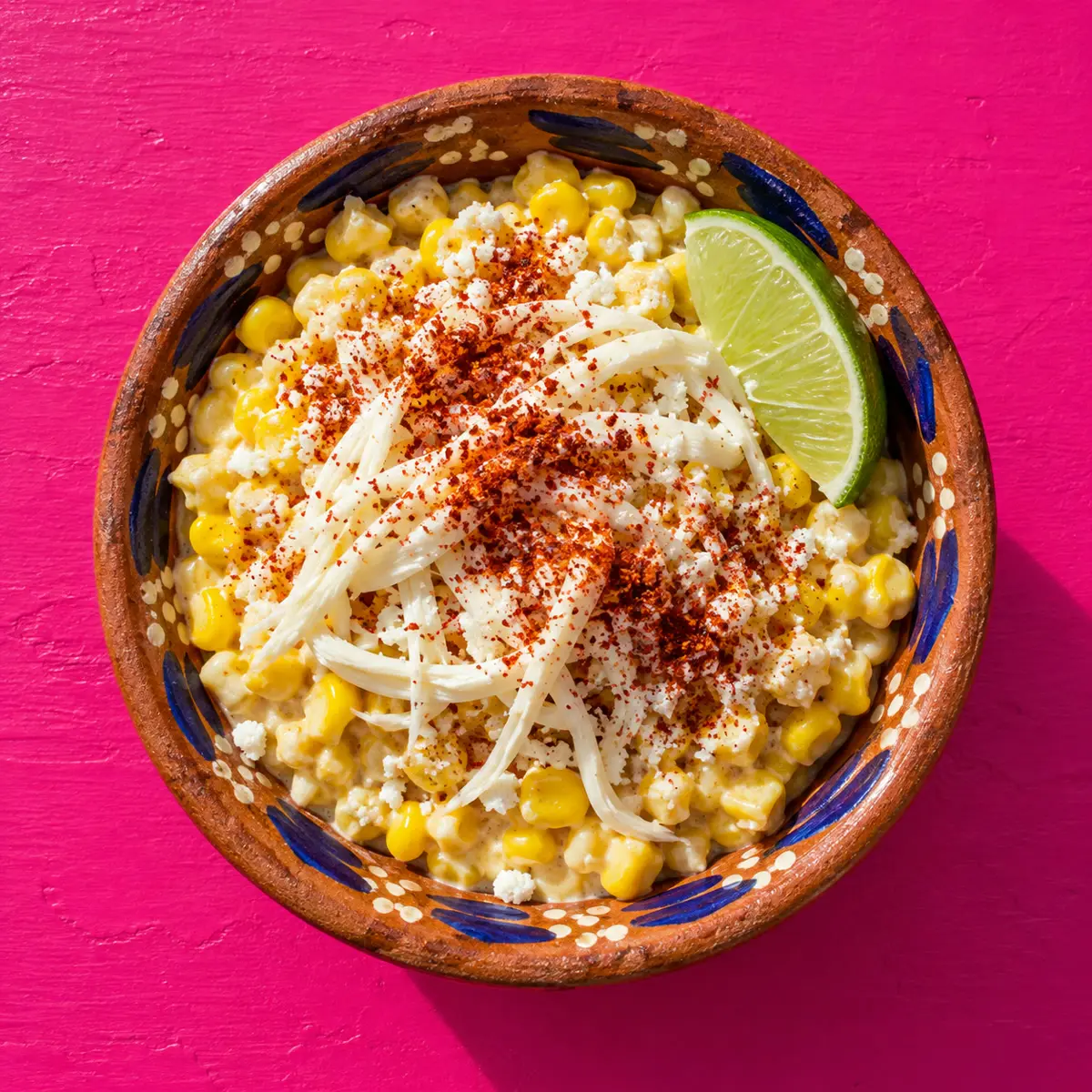
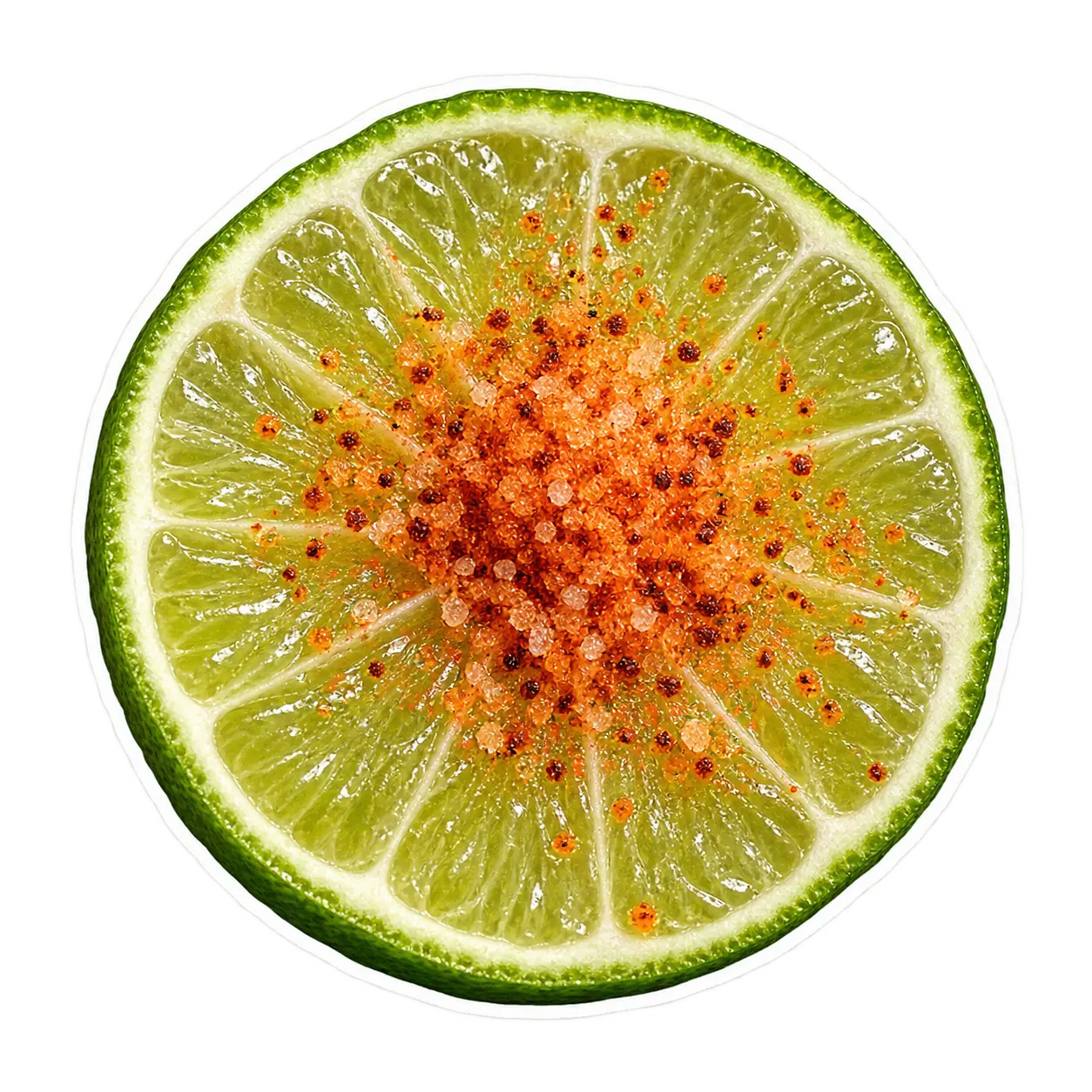
Corn off the cob, quesillo, chile powder, lime.
04 · The mezcalería
Emiliano Santiago pours small-batch mezcal from family palenques, in clay copitas, with orange and sal de gusano. Open until 01:00, Thursday to Saturday.
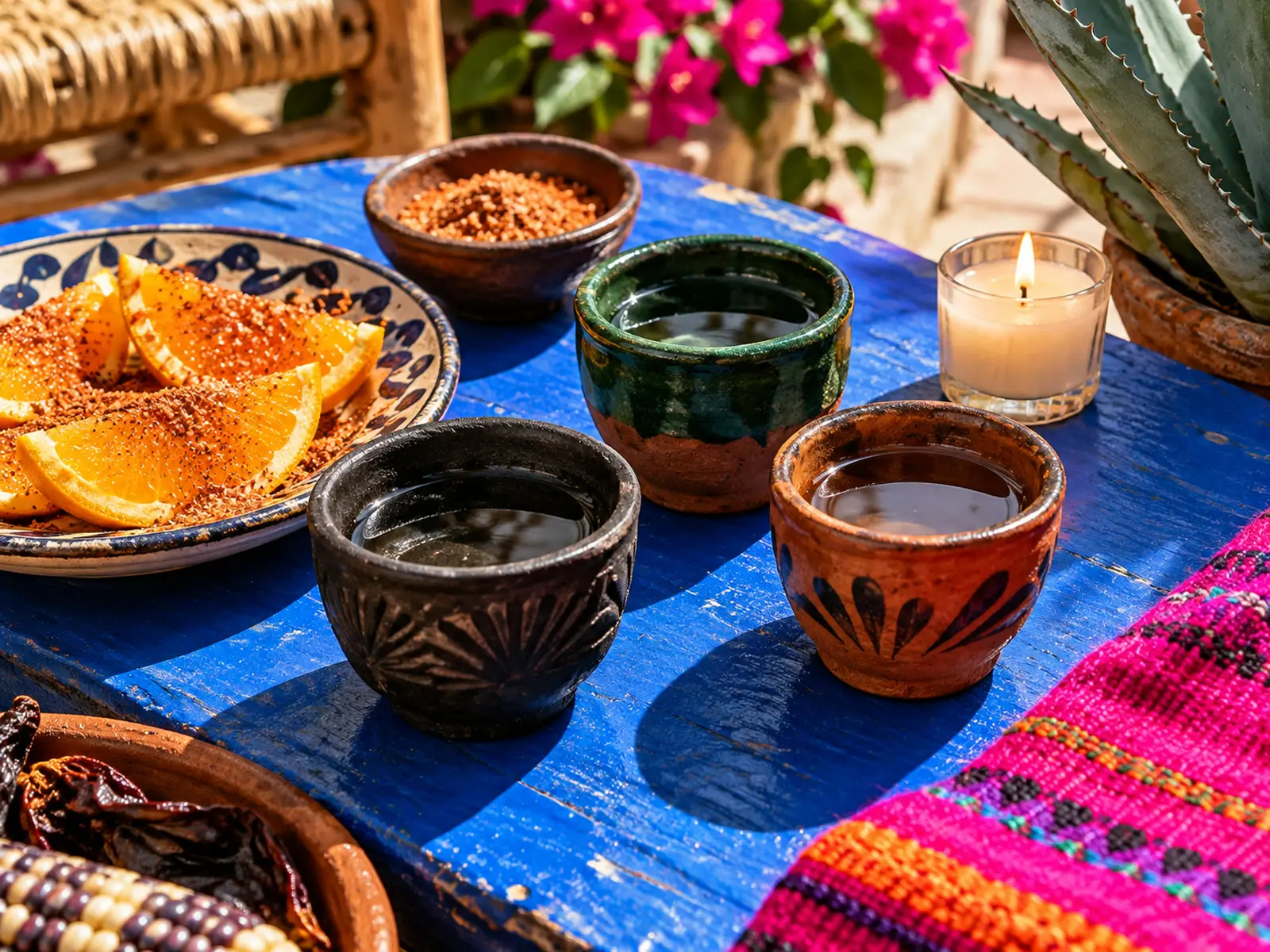
Three espadíns from three palenques: Santiago Matatlán, Miahuatlán, Sola de Vega.
The wild ones: tobalá, tepeztate, madrecuishe. Slow agaves, eight to twenty-five years.
No booking at the bar. Come after dinner, take a stool.
The mezcalería05 · The cook
“A mole is a conversation with your grandmother. You never win it, you just keep stirring.”
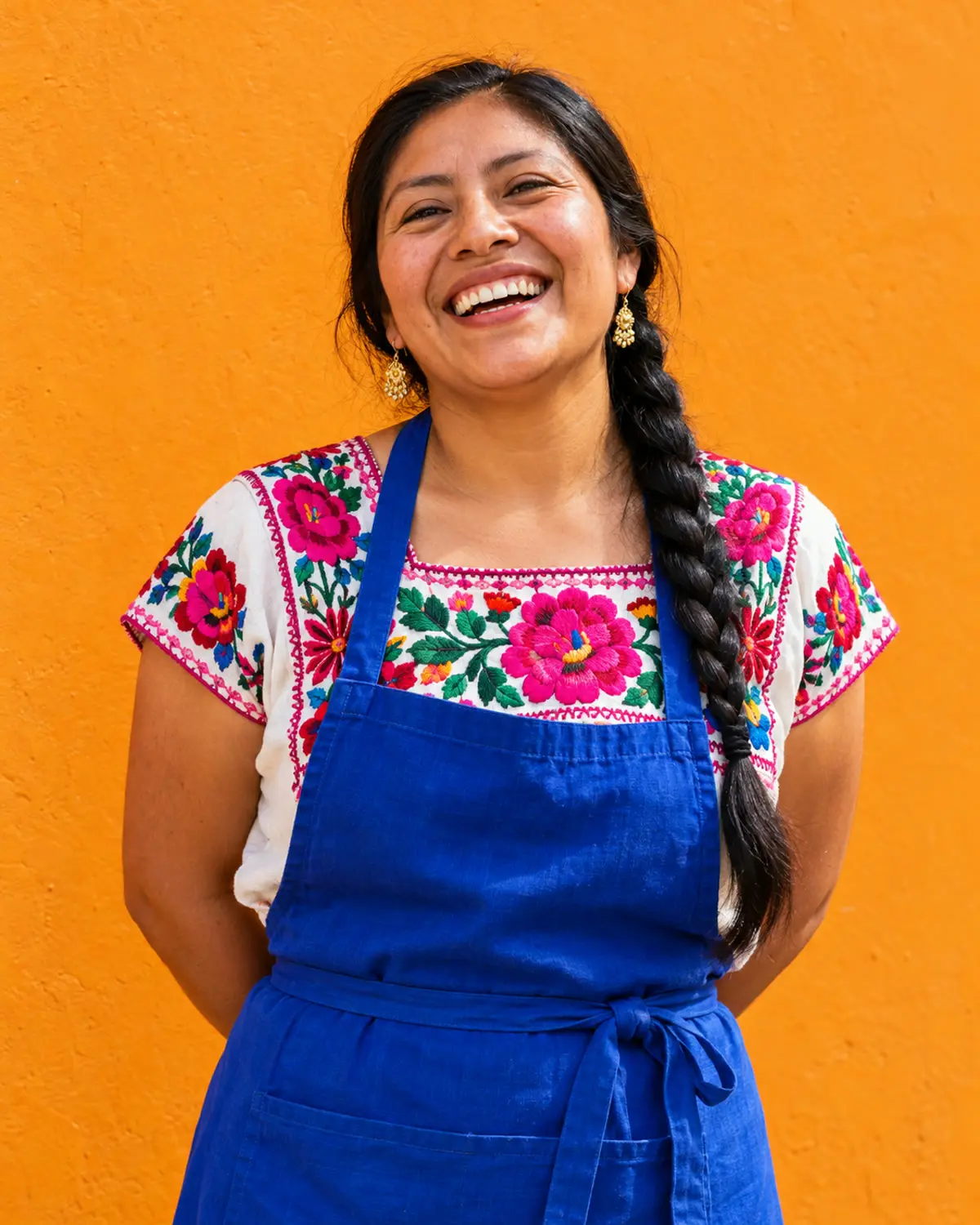
Itzel Ruiz
Itzel grew up between her grandmother's comal and the weavers' looms of Teotitlán. Ten years in Mexico City kitchens taught her speed; Doña Rufina taught her patience. Colibrí needs both.
06 · Your table
Comida from one, cena from seven, Tuesday to Sunday. Tell us if you want a mezcal flight waiting at the table.
Or call us: +52 951 514 3170